


Heat Pump vs. Furnace: Which Is Right for Your Home?
Choosing the right heating system for your home is one of the most important comfort and financial decisions a homeowner can make. As home energy efficiency standards evolve and cold-climate heating technology advances, modern homeowners are increasingly weighing the benefits of electric heat pumps against traditional natural gas furnaces.
While both systems effectively keep your living space warm during freezing weather, they operate on vastly different principles, offer distinct efficiency profiles, and carry different initial and long-term costs. Below is a comprehensive guide to help you choose between a heat pump and a furnace for your property.
Quick Comparison: Heat Pump vs. Furnace
Feature / Factor | Heat Pump System | Traditional Furnace |
Primary Function | Year-round heating and cooling | Dedicated home heating only |
Energy Source | Electricity | Natural gas, propane, or electricity |
Operational Efficiency | Up to 300%–400% (transfers heat) | Up to 98% AFUE (creates heat via combustion) |
Cold Climate Performance | Excellent in moderate to cold climates | Unmatched heating output in extreme freezes |
Environmental Impact | Zero direct household carbon emissions | Produces greenhouse gas emissions (gas units) |
Upfront Cost & Incentives | Higher upfront; eligible for major rebates | Moderate upfront; lower initial equipment cost |
Key Operational Differences Explained
Understanding how each system operates helps clarify which option aligns best with your home’s infrastructure:
Heat Pumps: Rather than generating heat through combustion or electrical resistance, heat pumps extract thermal energy from the ambient outdoor air (even in cold weather) and transfer it indoors. In the summer, the process reverses to provide high-efficiency air conditioning.
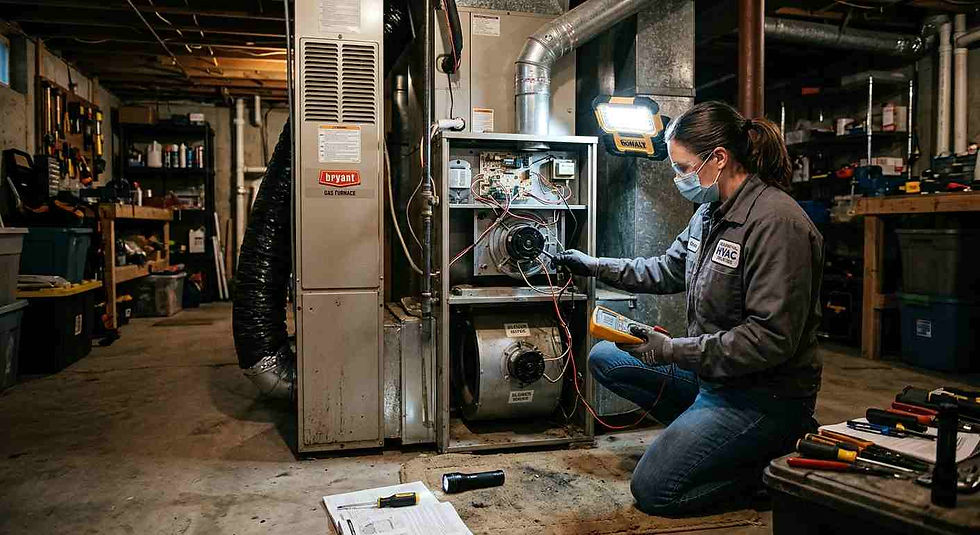
Furnaces: Furnaces generate heat by burning natural gas or propane (or using electrical coils) and circulating the heated air throughout your home via ductwork.
When to Choose a Heat Pump
Heat pumps have grown rapidly in popularity thanks to major technological advancements and substantial energy-efficiency incentives.
1. You Want an All-in-One Heating and Cooling Solution
Because a heat pump provides both heating in winter and air conditioning in summer, you only need to maintain a single system year-round. Installing a versatile modern heat pump system eliminates the need to purchase a separate air conditioner.
2. You Want to Lower Monthly Energy Bills
Because heat pumps move existing heat rather than generating it from fuel, they operate at efficiency levels well above 100%. In moderate heating seasons, this drastically lowers monthly electric consumption. You can estimate your potential energy cost reductions with an HVAC SEER efficiency savings calculator.
3. You Want to Leverage Government Rebates
Federal and regional decarbonization initiatives offer generous incentives for home energy upgrades. Installing an eligible cold-climate heat pump unlocks substantial savings through current heat pump rebates and grants, drastically offsetting initial equipment and installation costs.

When to Choose a Furnace
Traditional furnaces remain a reliable powerhouse for regions with prolonged, deep-freeze winters.
1. You Experience Extreme Sub-Zero Winter Climates
While modern cold-climate heat pumps perform remarkably well down to sub-zero temperatures, gas furnaces deliver rapid, intense heat output regardless of outdoor temperatures. If you live in an area prone to severe arctic blasts, upgrading to a high-efficiency gas furnace replacement unit ensures reliable baseline comfort.
2. You Already Have Natural Gas Hookups
If your home is already connected to natural gas lines, replacing an old furnace with a modern high-efficiency model is a straightforward, budget-friendly project that minimizes installation complexity.
3. You Seek a Lower Initial Capital Investment
Gas furnaces generally carry a lower upfront equipment cost compared to full heat pump conversions, making them an attractive choice for homeowners working within a tighter initial budget.
The Hybrid Heating Alternative: Dual-Fuel Systems
For homeowners who want the best of both worlds, a dual-fuel (hybrid) system pairs an electric heat pump with a backup gas furnace. The system automatically runs the heat pump during mild conditions for maximum energy savings, then switches seamlessly to the gas furnace when temperatures drop into deep freezing ranges.
Regardless of which heating technology you choose, pairing your equipment with scheduled preventive HVAC maintenance and whole-home indoor air quality solutions ensures optimal efficiency, clean air distribution, and maximum operational lifespan.
Evaluating Upfront Costs and Long-Term Value
While heat pumps typically carry a higher initial investment than standalone gas furnaces, available rebates and year-round energy savings often bridge the price gap quickly. To make top-tier heating upgrades accessible for any household, explore flexible HVAC financing options.
Conclusion: Making the Right Decision for Your Home
Choosing between a heat pump and a furnace depends on your local climate, existing home infrastructure, energy goals, and budget. If you prioritize year-round cooling efficiency, lower emissions, and maximum rebate eligibility, a heat pump is ideal. If you require maximum heating output during extreme freezing snaps at a lower upfront cost, a high-efficiency furnace remains a top contender.
Ready to upgrade your home’s heating system? Contact our HVAC specialists today to schedule a personalized home assessment and find the perfect heating solution for your property.


Comments