


10 Tips to Reduce Your HVAC System Energy Costs
Heating and cooling account for more than half of the average home's energy consumption. As utility rates rise, finding practical ways to optimize your heating, ventilation, and air conditioning (HVAC) performance is one of the most effective ways to lower your monthly household expenses.
Whether you rely on a furnace, an air conditioner, or a heat pump, minor operational adjustments and proactive care can yield significant utility savings without sacrificing indoor comfort. Below are 10 actionable tips to reduce your HVAC system energy costs year-round.
At a Glance: Top Energy-Saving HVAC Strategies
Action / Tip | Estimated Energy Savings | Difficulty Level |
Upgrade to a Smart Thermostat | 10%–15% annually | Easy |
Schedule Annual HVAC Maintenance | 10%–20% efficiency boost | Easy (Professional) |
Seal & Insulate Ductwork | Up to 20%–30% reduced heat loss | Moderate (Professional) |
Replace Air Filters Monthly | 5%–15% energy reduction | Very Easy |
Upgrade Old HVAC Equipment | Up to 30%–50% utility savings | Investment |
Install Window Treatments | 5%–10% thermal reduction | Easy |
10 Actionable Ways to Lower HVAC Energy Expenses
1. Upgrade to a Programmable or Smart Thermostat
Manually adjusting your thermostat throughout the day often leads to energy waste. Upgrading to a modern smart thermostat installation allows you to schedule automatic temperature setbacks when you are asleep or away from home, cutting heating and cooling bills by up to 15%.
2. Schedule Annual Preventive HVAC Maintenance
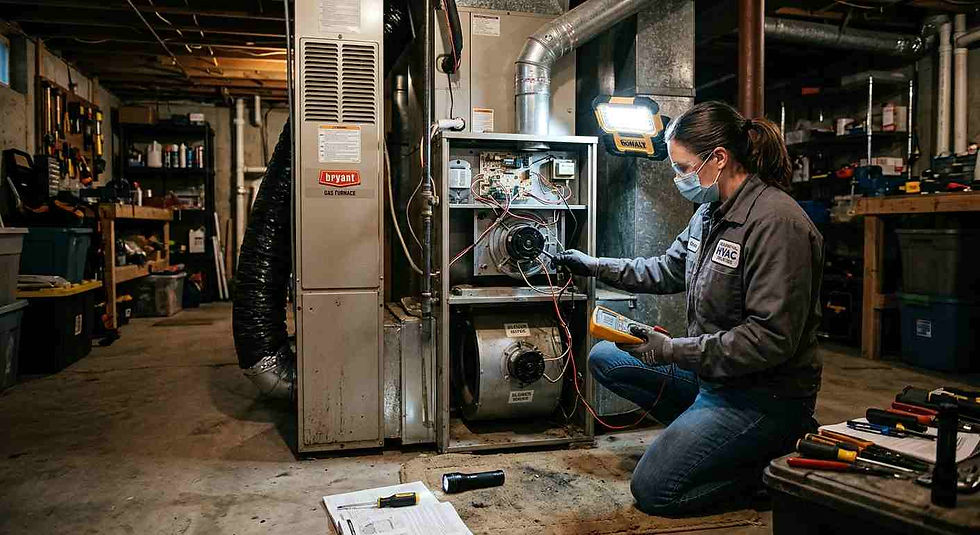
Dust, worn belts, and low refrigerant levels force your equipment to work harder to maintain set temperatures. Booking comprehensive annual HVAC maintenance each spring and fall keeps components operating smoothly, restores peak seasonal efficiency, and prevents costly breakdowns.
3. Replace Air Filters Regularly
Clogged, dusty air filters restrict airflow through your system, causing the blower motor to draw significantly more electrical power. Inspect your air filter monthly and replace it at least every 60 to 90 days to maintain healthy airflow and low operating costs.
4. Seal and Insulate Your Ductwork
Leaky or uninsulated air ducts in basements, attics, or crawlspaces can lose up to 30% of conditioned air before it reaches your living rooms. Investing in professional ductwork sealing ensures warm and cool air reaches your living spaces efficiently.
5. Calculate and Upgrade to High-SEER Equipment
If your air conditioner or heat pump is over 12–15 years old, its seasonal efficiency rating (SEER/SEER2) may be costing you hundreds in excess power usage. You can evaluate potential energy cost reductions using an HVAC SEER efficiency savings calculator to see how much a modern unit saves over time.

6. Consider Converting to an Electric Heat Pump
Heat pumps are among the most energy-efficient heating and cooling options available because they transfer heat rather than creating it through fuel combustion. Transitioning to a high-efficiency heat pump system provides year-round climate control at a fraction of the operating cost of electric resistance or older gas units.
7. Leverage Ceiling Fans for Supplemental Air Circulation
Ceiling fans consume minimal electricity while creating a wind-chill effect during summer and pushing warm air downward during winter (when reversed clockwise). Running fans lets you adjust your thermostat 2–3 degrees without compromising comfort.
8. Keep Vents Unobstructed and Clean
Ensure supply and return registers are clear of furniture, rugs, and drapes. Blocking vents alters system static pressure, forcing your HVAC unit to work longer cycles to balance indoor temperatures.
9. Optimize Curtains, Blinds, and Solar Heat Gain
During summer, close blinds and curtains on south- and west-facing windows to block solar heat gain. In winter, open curtains during sunny daytime hours to naturally warm your home, then close them at night to trap radiant heat.
10. Replace Aging, Inefficient HVAC Units
When an aging furnace or air conditioner reaches the end of its functional life, continuing to repair it yields diminishing returns. Transitioning to a full HVAC system replacement dramatically lowers baseline power consumption and delivers reliable, quiet performance for decades.
Maximize Upfront Savings with Grants and Rebates
Upgrading to high-efficiency heating and cooling technology requires an initial investment, but government and utility incentives offset a substantial portion of the cost. Check available HVAC rebates and energy grants to maximize your savings on energy-efficient heat pumps and furnaces.
Start Lowering Your Energy Bills Today
Small maintenance adjustments combined with modern high-efficiency technology can drastically reduce your monthly power and heating expenses.
Ready to optimize your home energy savings and improve HVAC efficiency? Contact our HVAC specialists today to schedule a comprehensive energy inspection or equipment tune-up.


Comments